Crafting Perfect Bespoke Fresh Produce Boxes: A Progressive Walkthrough
Building specialized fruit and vegetable boxes demands a calculated strategy. Professionals must examine sustainability, functionality, and visual appeal. Picking the suitable materials is vital for maintaining freshness and promoting environmentally conscious practices. Additionally, size and shape can greatly influence usability and shipping efficiency. Compelling visual elements strengthen brand recognition, while detailed assessment ensures longevity. Grasping these components will reveal key insights into producing exceptional container solutions that appeal with consumers. What comes next is fundamental to accomplishing those targets.
Choosing the Right Components for Custom Produce Boxes
When picking materials for custom produce boxes, it is essential to review both functionality and sustainability. The decision of material considerably affects the box's durability, weight, and ability to protect the contents. Common materials feature corrugated cardboard, which supplies strength and is recyclable, making it a preferred choice for sustainability-focused businesses. Decomposable options, such as molded pulp or plant-based plastics, also support sustainable practices while offering sufficient protection for delicate produce.
In addition, moisture resistance is essential for maintaining freshness, prompting some producers to explore conditioned compounds or specialized coatings. The visual quality of the box requires attention, as brand identity and visual communication can influence market perception. Ultimately, the optimal choice should maintain proportion between safeguarding products, appealing to customers, and adhering to environmental standards, ensuring both functionality and sustainability are prioritized in the design process.
How to Opt for Size and Shape for Operational Use?
When choosing the form and dimensions of custom produce boxes, careful assessment of produce dimensions is essential for effective storage. Additionally, attention to handling and transport can affect the box design, ensuring ease of movement. Optimizing storage space utilization further enhances functionality, allowing for efficient display and storage.
Examine Produce Dimensions Thoroughly
Assessing the right size and shape for produce containers is fundamental for workflow efficiency. Accurate assessment of product dimensions is critical, as it guarantees that goods fit firmly without surplus room that could lead to damage during storage or transport. Custom boxes need to accommodate assorted configurations, from delicate berries to heavy vegetables, while maintaining structural integrity. Furthermore, the depth and height of the boxes should facilitate stacking and organization, optimizing space in storage areas. A expertly built box not only shields the produce but also strengthens consumer attraction for buyers. To sum up, measured analysis of dimensions contributes to reducing waste and advancing overall user experience in the supply chain.
Consider the Oversight of Handling and Transport
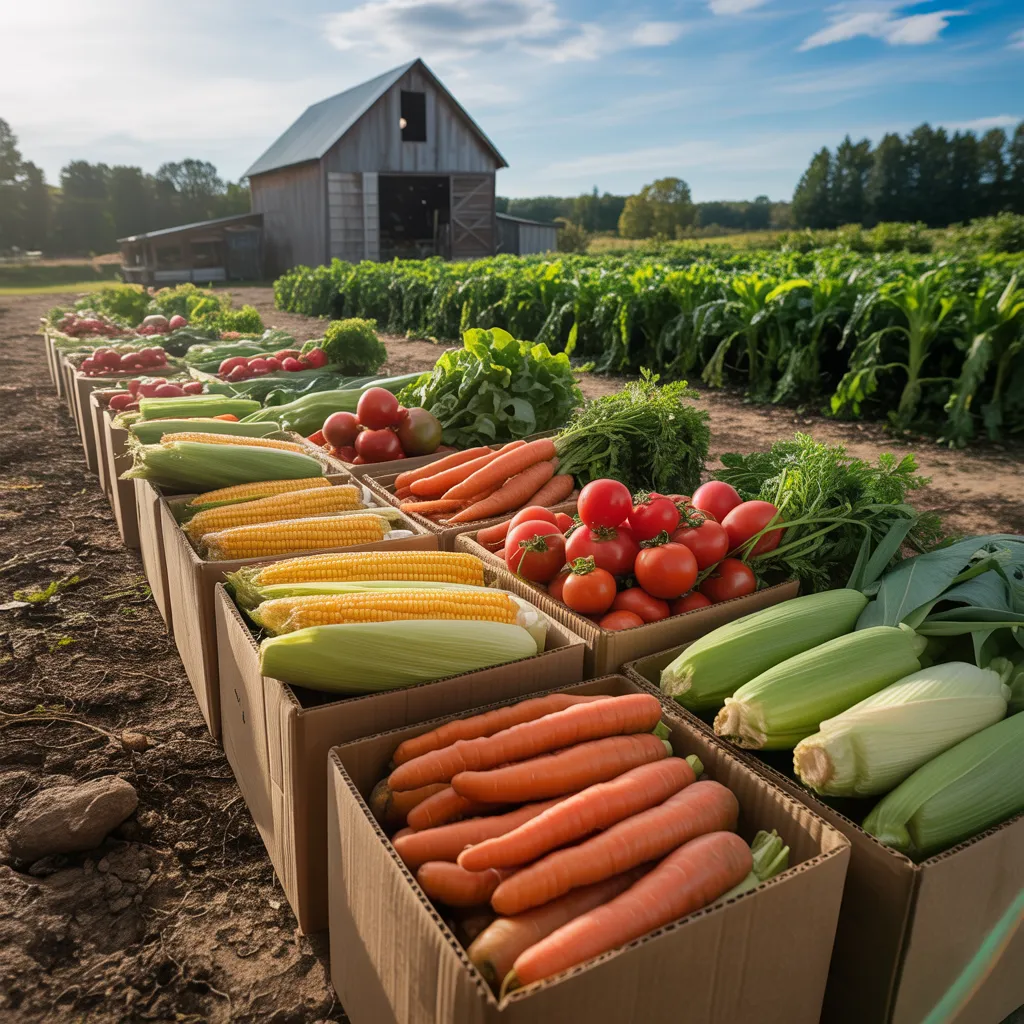
Handling and transport factors play a substantial role in determining the suitable size and shape of custom produce boxes. The dimensions must fit the fresh items without excessive space, which could lead to movement and harm during transit. Compact, smaller boxes facilitate simpler handling, while bigger containers may be necessary for larger items. Additionally, proper ergonomic planning is essential; handles or openings should be strategically placed to enable comfortable lifting and carrying. The shape of the box also affects arrangement and stability, guaranteeing that products remain secure. Ultimately, thoughtful evaluation of these factors enhances the effectiveness of shipping, minimizes product loss, and maintains the overall quality of the fresh goods from farm to consumer.
Optimize Shelf Space Usage
Optimal shelving management comes down to picking the best size and shape of custom vegetable packaging. Professionals should review the dimensions of the shelving units as well as the types of foodstuffs being stored. Rectangular boxes often related information advance efficient use of space, facilitating for better stacking and alignment. However, distinctive shapes can enhance visual appeal but may produce excess space if not well planned.
It's important to review the inventory turnover rate; quick-moving products might gain from compact, readily accessible boxes. In addition, utilizing flexible or customizable designs can facilitate multiple sizes of produce while enhancing display organization. By focusing on functionality and aesthetic value, enterprises can construct a practical and eye-catching presentation that strengthens both ease of access and product prominence.
How to Craft Graphics That Attract Attention?
Compelling artwork can transform a simple custom produce box into a beautiful showcase that draws attention. To achieve this, designers should commence by picking a color palette that reflects the vigor and brightness of the produce. Luminous, captivating colors can awaken impressions of freshness and wellbeing, compelling consumers to take a closer look.
Bold typography is also essential; clear and legible fonts can adeptly convey vital details while enhancing visual appeal. Furthermore, using high-quality images of the products can establish instant connection, showcasing the item's worth and enticing prospective purchasers.
Furthermore, adding unique patterns or illustrations can help distinguish the brand in a competitive market. Consistency in design elements, such as logos and taglines, strengthens brand identity. Ultimately, a blend of creativity and clarity in visual design can greatly enhance the impact of custom produce boxes, making them become prominent on shelves.
Environmentally Responsible Practices for Custom Produce Box Packaging
A growing number of enterprises are embracing green techniques for custom produce box packaging, recognizing its value in today's environmentally conscious market. These practices often feature the use of organic materials, such as recycled paper and plant-based plastics, which decrease environmental impact. Companies are also working on ethical sourcing, ensuring that materials are obtained from responsibly managed forests or suppliers who prioritize environmental stewardship.
In turn, numerous brands are going with minimalistic formats that reduce waste while still effectively promoting their products. This approach not only resonates with environmentally aware consumers but also helps in reducing production costs. Moreover, businesses are increasingly applying effective manufacturing processes that limit energy consumption and waste generation. By incorporating these green practices, companies not only enhance their brand image but also contribute positively to the planet, positioning their operations with a sustainable future.
Examine Your Custom Produce Box Design
Evaluating the design of specialized fruit containers is a important stage in verifying they meet both aesthetic and operational specifications. This process generally entails examining factors like durability, size, and ease of use. First, prototypes should be built to evaluate the container's structural integrity, ensuring it is able to endure transportation and storage without compromising the contents.
Subsequently, usability evaluations can be initiated to determine how easily the boxes can be pried open, shut, and stacked. Input from future users can be vital in this step, communicating insights into the box's practicality.
Additionally, the visual impact of the design should be examined through surveys or focus group sessions, assessing consumer reactions to brand design elements, color palettes, and total visual presentation.
In the end, thorough evaluation allows designers to enhance the box, guaranteeing it not only appeals to customers but also effectively protects and presents the produce within, striking the right balance between form and function.
Showcasing Your Bespoke Produce Boxes Successfully
Successful marketing of custom produce boxes demands a strategic approach that emphasizes their unique features and benefits. Companies should focus on identifying their target audience, such as local farms, grocery stores, or individual consumers. Leveraging social media platforms can amplify brand awareness, displaying the boxes' design and practicality through engaging visuals and storytelling.
Additionally, teaming up with local influencers or farmers can enhance credibility and enlarge customer base. Delivering promotions or discounts during peak demand times can win over early consumers and support sustained patronage.
Moreover, emphasizing environmental consciousness and green initiatives in advertising content can connect with environmentally conscious consumers. Supplying detailed information about the composition of materials and the positive aspects of custom packaging can better position the item in an increasingly competitive landscape.
Ultimately, a comprehensive marketing strategy that combines digital and community-based initiatives will successfully promote custom produce boxes, attracting a varied clientele and driving sales.
Popular Questions Posed Often
What Are the Expenses Connected With Custom Produce Box Creation?
Charges concerning custom produce box design feature materials, printing, labor, and shipping. Also, design services and minimum order quantities can modify total costs, bringing about varying prices based on individual specifications and manufacturing scale.
How long Does It Take to Produce Personalized Boxes?
Creating bespoke boxes usually spans two to six weeks in production. Various factors that influence this timeframe include complexity of the design, material availability, and production capability, each of which can alter delivery timelines and turnaround times.
May I Submit an Request for a Small Batch of Bespoke Produce Boxes?
Yes, small quantities of custom produce boxes can typically be ordered. Many suppliers offer baseline order amounts, enabling businesses or individuals to procure tailored packaging solutions without having to dedicate to large amounts from the beginning.
What Frequent Mistakes Should You Dodge in Made-to-Order Box Design?
Typical mistakes in custom box layout encompass neglecting functionality, ignoring brand consistency, underestimating material quality, failing to take into account target audience preferences, and overlooking environmental impact. Each aspect is vital for successful packaging and customer satisfaction.
What Steps Should I Take to Confirm My Boxes Are Food Safe?
To verify boxes are suitable for food, one needs to opt for materials qualified for food contact, avoid toxic inks and adhesives, maintain cleanliness during production, and regularly test for compliance with health regulations and safety standards.